Which of the Five Elements Are You Right Now?
Wood, Fire, Earth, Metal and Water are an old Chinese way of describing how energy, sleep, appetite and mood change. Here is what each element means in everyday life, and a short self-check to see which one is asking for attention this week.
Read with AI:ChatGPTClaudePerplexity
What the five elements are
The five elements, Wu Xing in Chinese, describe change rather than substance. Wood, Fire, Earth, Metal and Water are five phases that any cycle passes through: growth, peak, settling, gathering in and rest. Classical Chinese texts used them for the seasons, for the hours of the day and for the way a person feels through both.
In everyday terms, each element is a lens on one kind of experience: how you move and release tension, how you warm up and wind down, how you nourish yourself, how you breathe and let go, how you rebuild your reserves. Nobody is a Fire person for life. The mix shifts with sleep, workload, food and the time of year, so the useful question is which element needs attention right now.
| Element | Season | Quality | How it feels day to day |
|---|---|---|---|
| Wood | Spring | Growth, movement, flexibility | Plans move forward and tension leaves easily. When it gets stuck, irritation builds up by evening. |
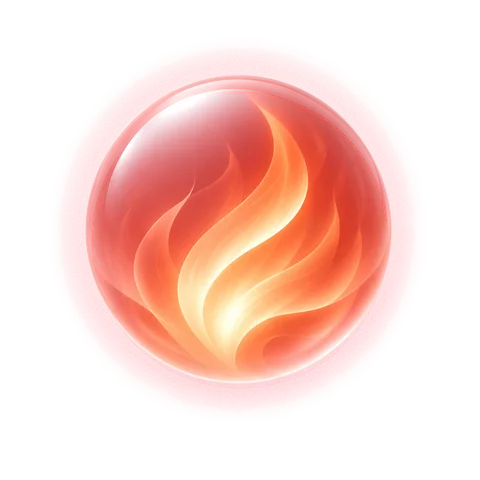
| Fire | Summer | Warmth, rhythm, connection | Enthusiasm and easy contact with people. When it runs high, the mind races and winding down at night is hard. |
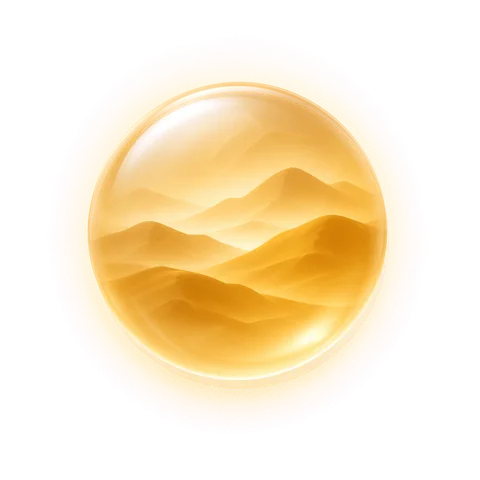
| Earth | Late summer | Nourishment, steadiness | Regular meals and a settled afternoon. When it struggles, food sits heavily and thoughts go round in circles. |
| Metal | Autumn | Breath, boundaries, letting go | Clear mornings and clean edges. When it is strained, skin and throat feel dry and you want to withdraw. |
| Water | Winter | Reserves, rest, inner warmth | Sleep that restores. When it runs low, mornings start slowly, feet stay cold and rest does not recharge you. |
How each element shows up in your day
Wood
Wood is the morning push and the energy to start things. When it gets stuck, the shoulders and jaw tighten, the fuse gets shorter towards evening and sleep often breaks in the small hours. Movement that asks nothing of you, like an unhurried walk, tends to help it most.
Fire
Fire is warmth, contact with other people and the rhythm of activity and rest. When it runs high, energy comes in bursts and sharp drops, you feel hot or flushed, and the mind keeps going after the lights are off. A quieter last hour of the day is usually the first thing Fire asks for.
Earth
Earth is about nourishment and steadiness: regular meals, a calm afternoon, thoughts that settle. When it struggles, food sits heavily, the afternoon dip gets deeper and worry turns into rumination, often with a pull towards something sweet. Earth responds well to regular meal times and warm, simple food.
Metal
Metal is breath, structure and letting go. When it is strained, skin and throat feel dry, you may wake before dawn, and you want to withdraw when things get loud. Fresh air, slow breathing and time alone by choice suit Metal best.
Water
Water is your reserve: deep sleep, inner warmth and the stamina to recover after a hard week. When it runs low, mornings start slowly, hands and feet stay cold, and even long sleep does not recharge you. Water asks for less rather than more: earlier nights, warmth and fewer demands for a few days.
Five Elements quiz: a 7-question self-check
Seven questions about energy, sleep, stress, digestion, warmth and recovery. It takes under a minute. Answer for the last two weeks, not for your best or worst day. The result is a self-observation, not a measurement.
Question 1 of 7
How does your energy usually move through the day?
Qi and the five elements: what the sensor reads
Qi (气, literally “breath”) is vital energy in Chinese tradition. Ancient masters read it from the pulse at the wrist. The five elements describe how this energy is distributed. The self-check asks about how you feel. The sensor works with a signal from your body.
The fingertip sensor records your pulse wave. The app breaks the shape of a pulse beat into components and calculates six values from them: Wood, Fire, Earth, Metal, Water and Balance. Each element shows a deviation from a harmonious distribution. The overall result is the Qi Score, an estimate from 0 to 100.
Why your element changes during the day
The self-check looks back over two weeks. Your state moves faster than that. The same person can start the day with a sluggish Water morning, run on Fire through a busy afternoon and end up with a tense Wood evening. Meals, a short night, a hard conversation or a walk in the sun all shift the picture within hours.
That is why one answer says less than a series. Patterns become useful when you can compare a morning with an evening, or a calm week with a busy one, and see which habit actually changes something.
Qi Tracker is built for that comparison. A 30–60 second fingertip reading shows a Qi Score and a map of all five elements plus Balance. The journal keeps every reading, so you can see how the map moves across days, and Maria, the AI guide, suggests one practical step at a time. The kit is a sensor plus 12 months of access for US$199, plus delivery.
Questions, answered
Is this a medical test?
No. The self-check is a wellness tool for noticing patterns in how you feel: energy, sleep, appetite, mood. It does not assess any illness, and neither does Qi Tracker. If something about your health worries you, talk to a qualified healthcare professional.
Is this the same as my Chinese zodiac element?
No. Your zodiac element comes from your birth year and never changes: years ending in 0 or 1 are Metal, 2 or 3 Water, 4 or 5 Wood, 6 or 7 Fire, 8 or 9 Earth, counted from Chinese New Year rather than from 1 January. This self-check is about your current state, which changes with your routine.
Why might I get a different result next month?
Because the result reflects the last two weeks, not a fixed type. A change of season, a stressful project or a few weeks of better sleep can move the picture. Retaking the self-check after you change one habit is a simple way to see whether it made a difference.
How is a Qi Tracker reading different from this self-check?
The self-check is built from your own answers. A Qi Tracker reading uses a fingertip sensor and takes 30–60 seconds, so you can repeat it at different times of day and compare readings over weeks instead of relying on memory.